Half a
projector.
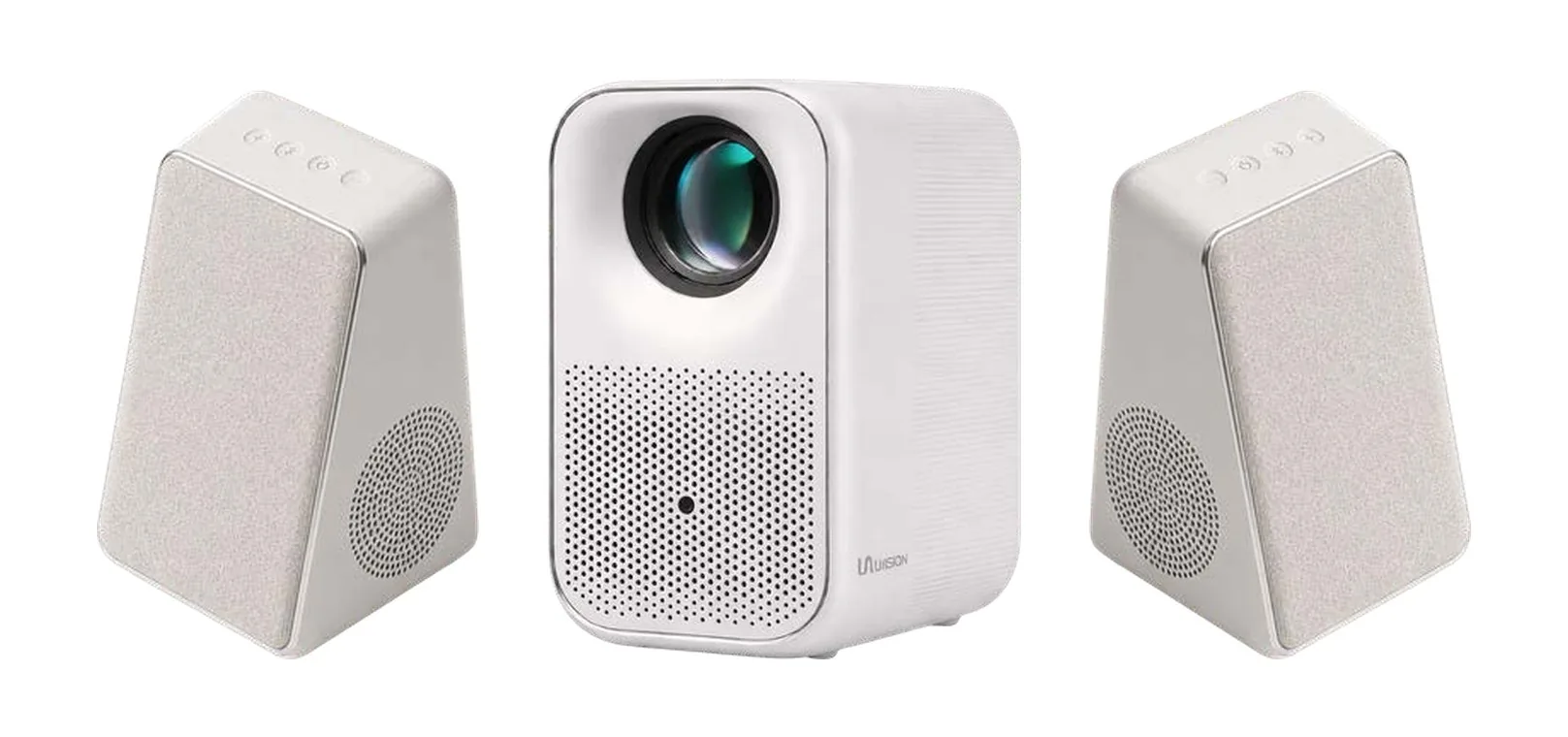
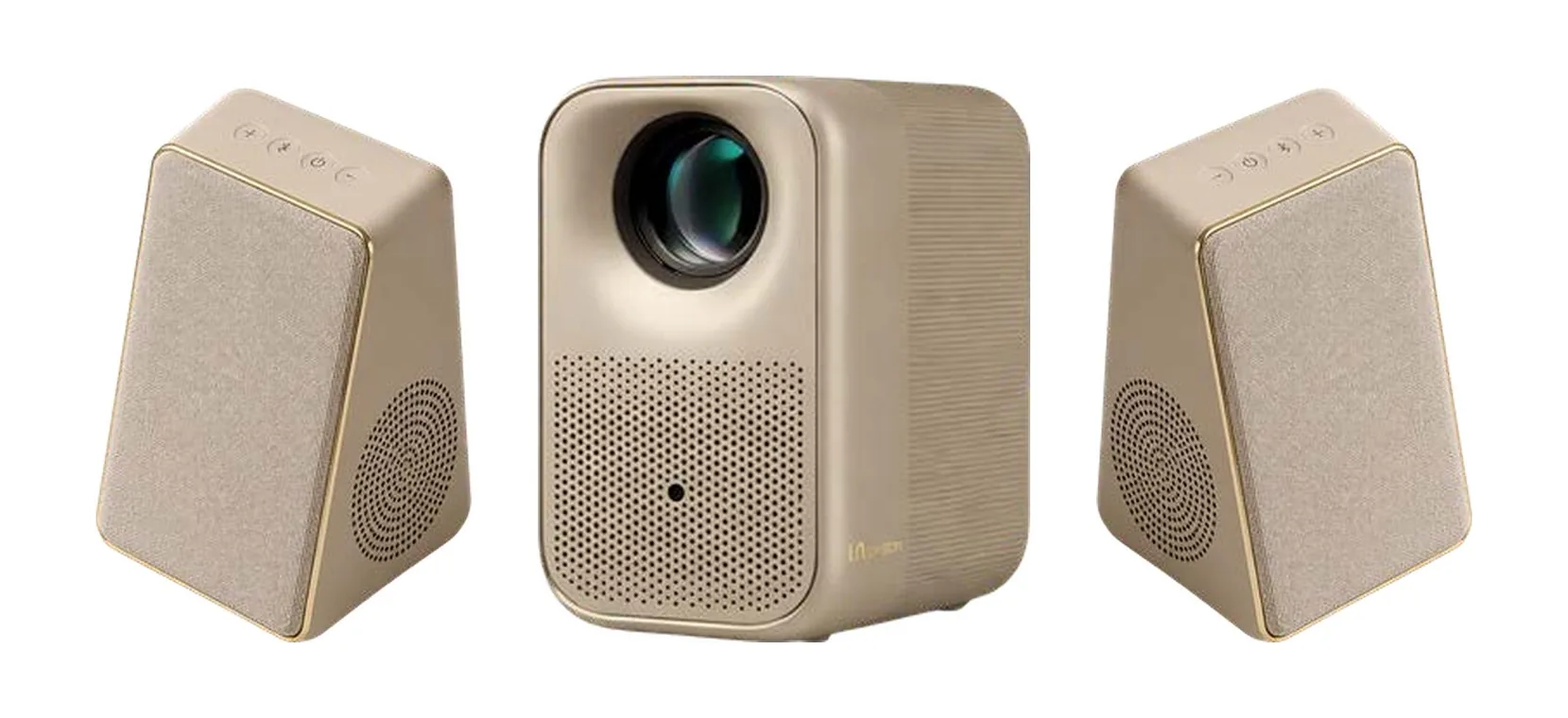
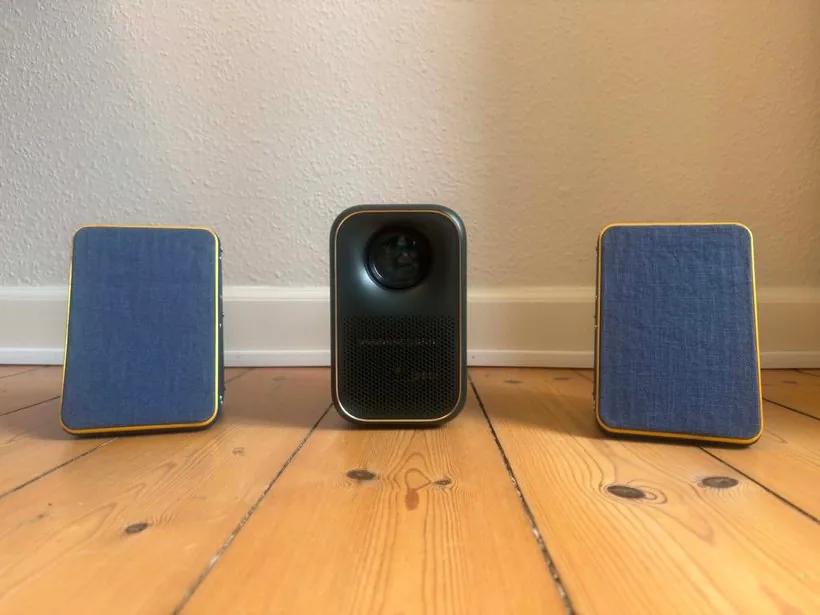
Two speakers for a projector whose sound couldn’t keep up with its picture. Cut from the projector’s own shape, so together they fill the space of one.
We were six. I drove the rapid prototyping and the technical build: driver, cabinet, electronics. I also did much of the system thinking behind a product that works without changing what already exists. I stayed close to everything else.
- Context
- SDU · ID4 · Spring 2026
- Client
- Artlinco, for Uvision
- Team
- 6 design engineers
- Role
- Prototyping · technical · systems
- Duration
- 16 weeks
- First sound
- Under 2 weeks from idea
Make an affordable projector sound like a cinema, without making it harder to use.
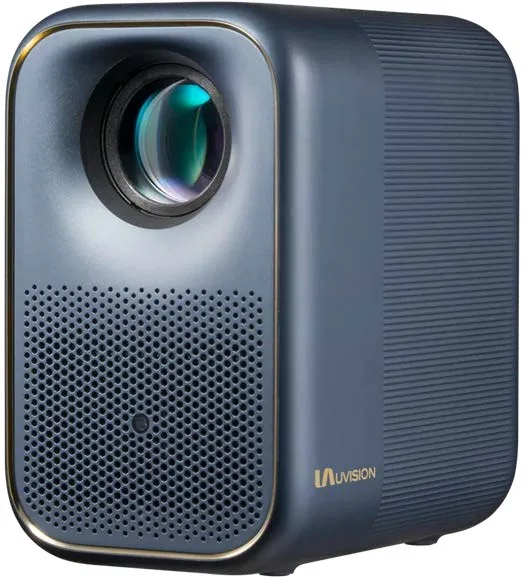
This is the AllPlay. It sets itself up in seconds, with autofocus and Google TV built in. The sound doesn’t keep up: two 5 W speakers playing mono from the back, aimed at the wall and right next to the fan.
A TV feels safe. A projector feels technical.
Nobody trusts built-in sound. Nobody wants one more thing to set up.
In their homes, the projector stood against the wall. On the AllPlay, that sends the sound straight into it.
The projector doesn’t change. Everything new fits around it.
Any change to the projector means new tests and new certification. Even selling the speakers in the same box would make them one product under EU rules, and the projector would have to be tested again. So the speakers became their own product, sold next to the projector and fitted to the system that already exists.
Unfinished models get honest answers.
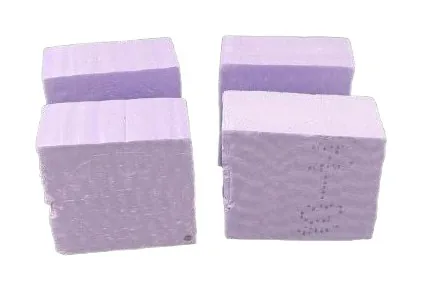
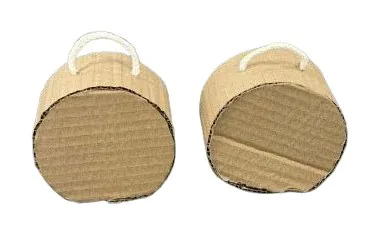
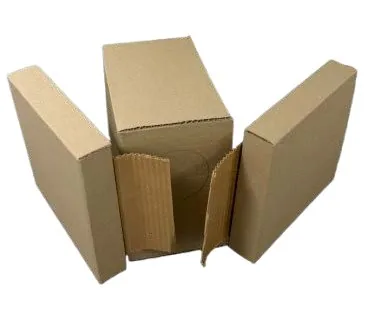
We built three setups out of cardboard and foam: many small units, two loose units you can hang, and two units clipped onto the projector. Users placed them in their own homes. No two homes looked alike, and the clipped-on version lost every time. Two loose speakers won.
Nobody asked for new technology. A speaker was what users mentioned without being prompted. Familiar means safe to buy, so we stayed with it.
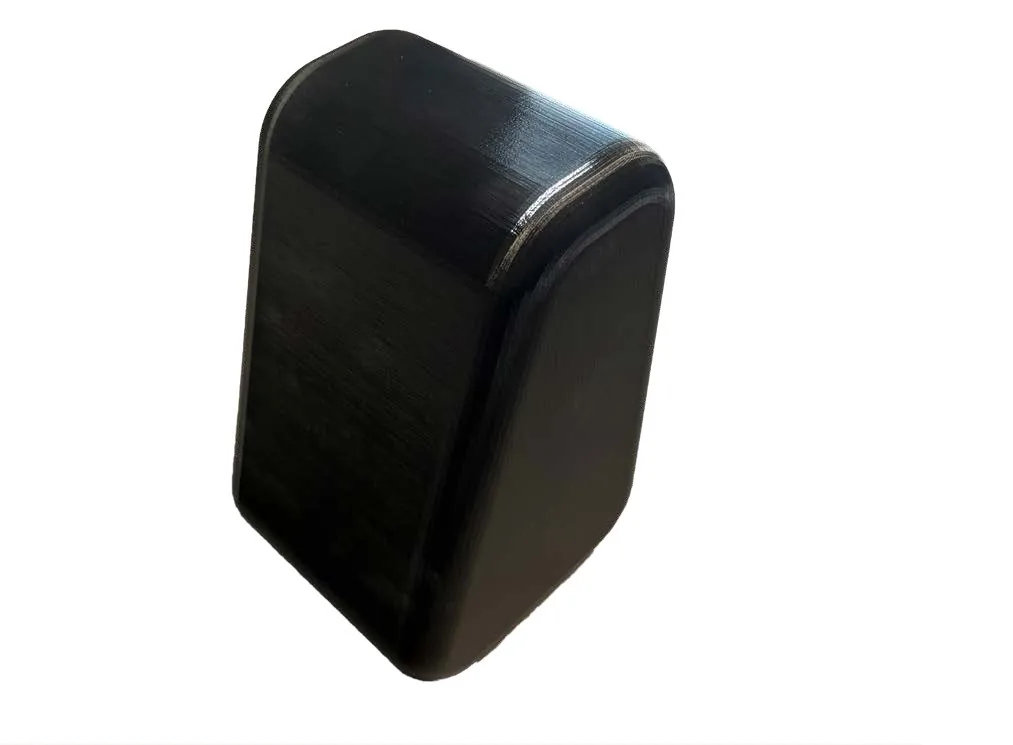
Each speaker is half a projector.
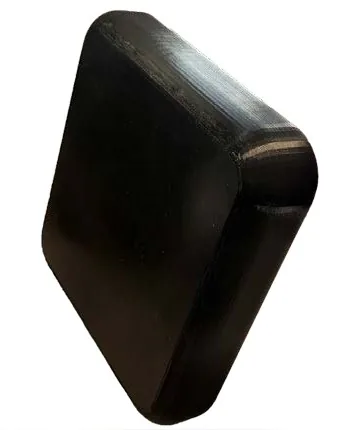
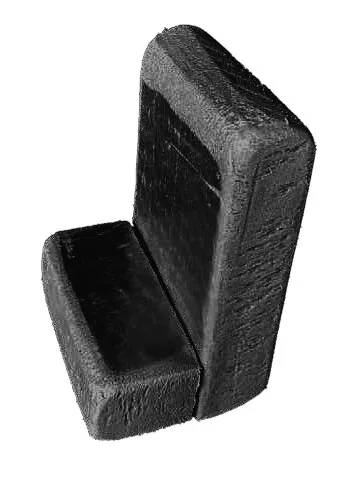
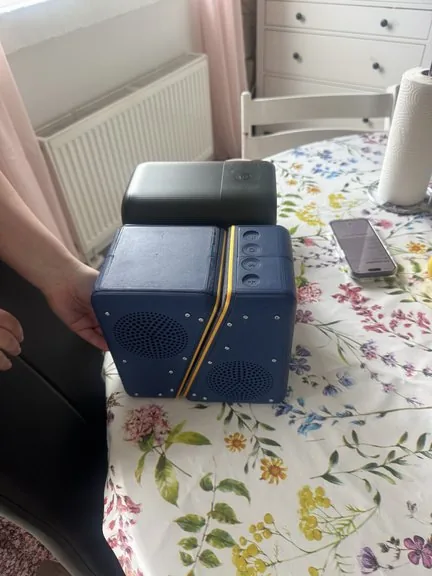
We took the projector’s side profile and cut it once, on a diagonal. That gave two identical trapezoids with the projector’s own rounded corners, 1.5 and 3 cm. Stacked, they take up exactly the projector’s volume.
One cut solved four things. The speakers match the projector without decoration. They pack into a carry case the size of one projector. The slanted front aims the sound up toward the listener. And no two inner walls are parallel, which means fewer standing waves inside the cabinet.
women in the target group (20–35) chose the trapezoid over a rectangle and an L-shape. “Simple, blends into the room, can stand in different ways.”
The trapezoid was also the most finished of the three models, and that probably helped. Next time, every option gets the same finish.
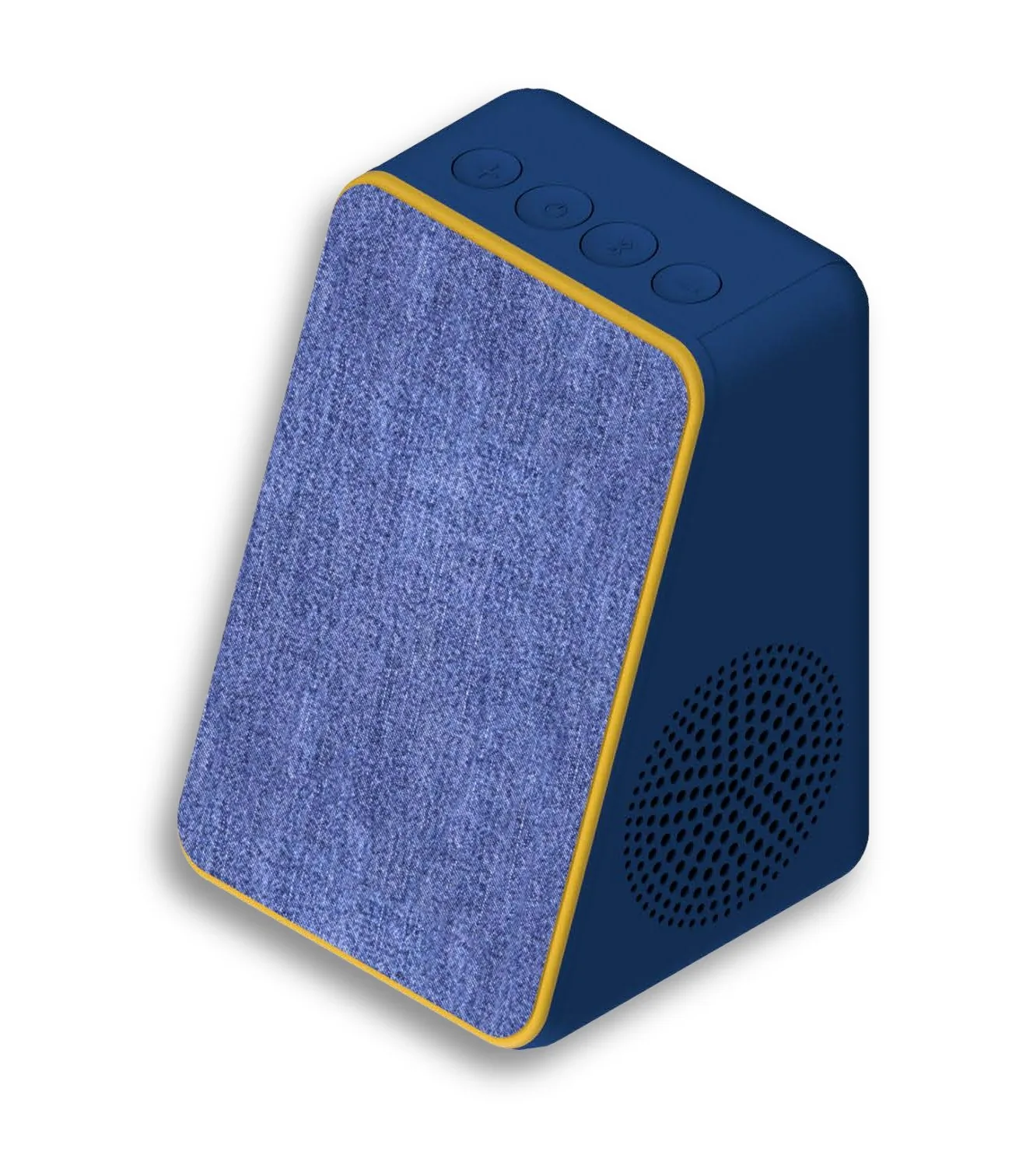
Fabric where the sound comes out. One button per job.
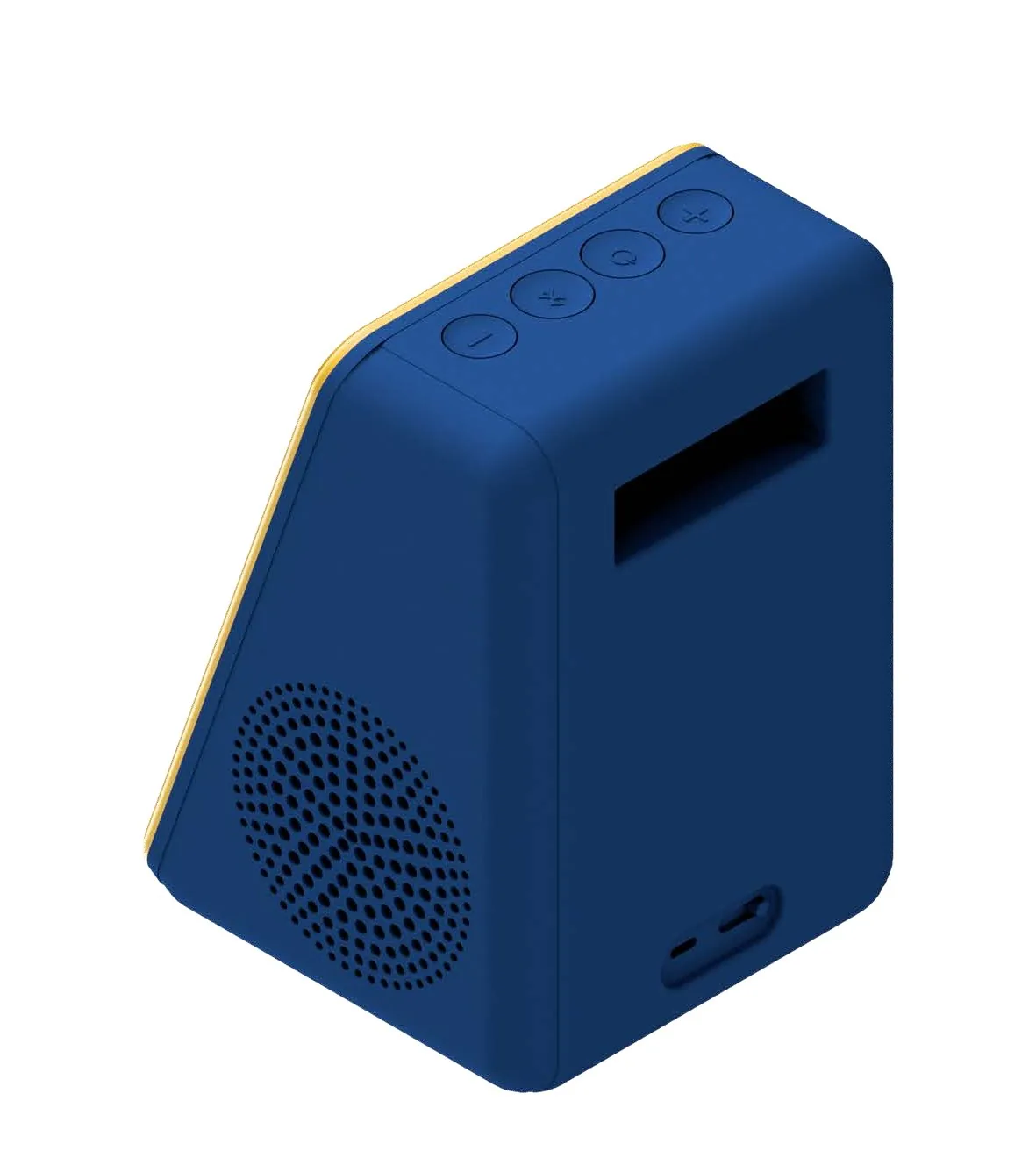
The buttons, gold rim and round bass holes come straight from the projector. Users asked for fabric instead of a grille and USB-C on the back. A slide switch sets stereo or mono, so each speaker also works on its own.
We knew almost nothing about speakers. Under two weeks later, we were testing one.
None of us had a background in electronics or acoustics. So I didn’t plan the perfect speaker. I built one fast, listened to it, and changed one thing at a time. The first working version was ready two and a half weeks ahead of plan, so we raised the goal: one prototype that both looks right and plays.
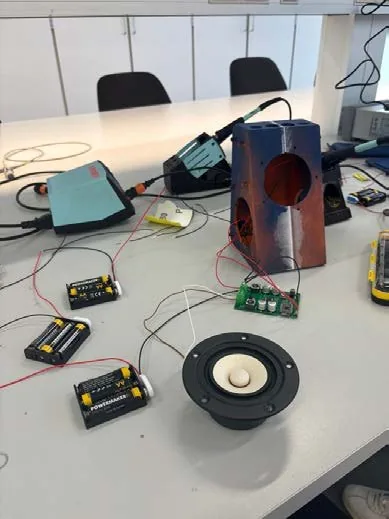
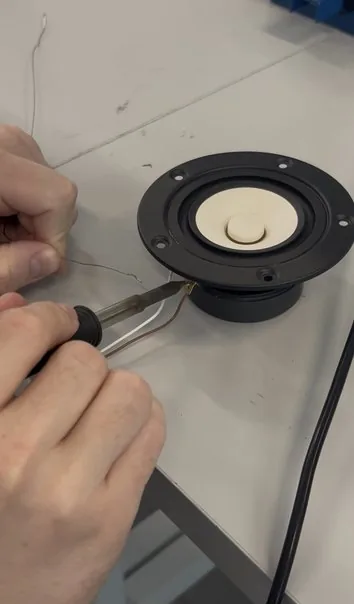
3D-printed cabinet, a 3-inch full-range driver, a Bluetooth amplifier board and a bench power supply.
→ Airtight joints mattered more than we expected. Foam feet cut the vibration. The bass sounded muffled and the treble harsh.
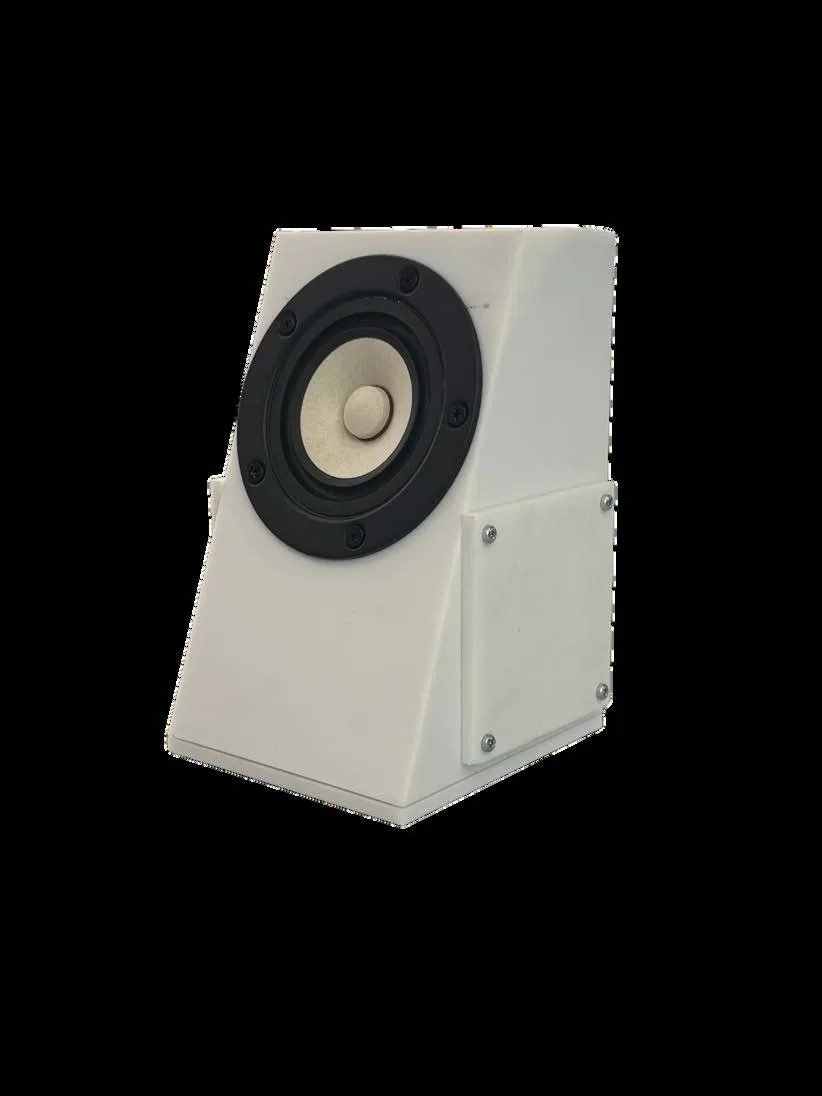
Two passive radiators move the air the sealed box held back. Every joint sealed.
→ Clearly better bass below 250 Hz, and instruments easier to tell apart. New problem: a rattle at high volume. The amplifier could push the driver past its limit.
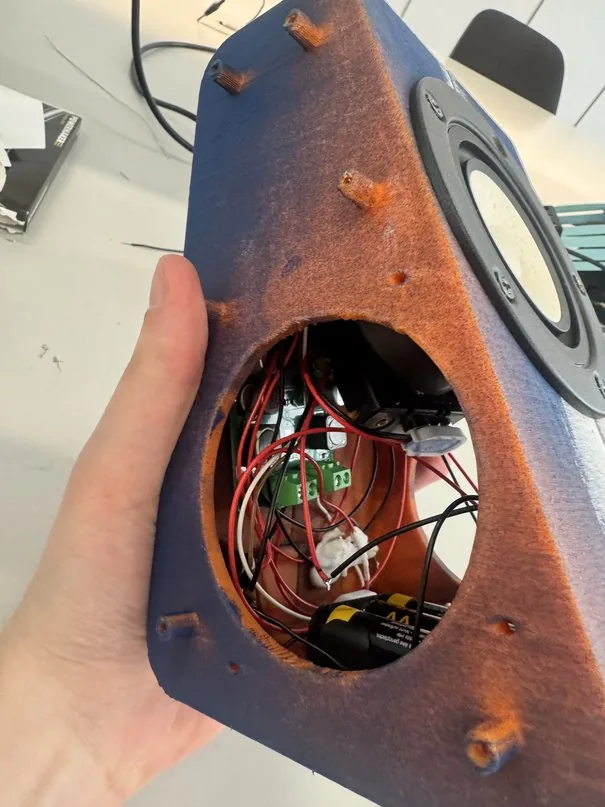
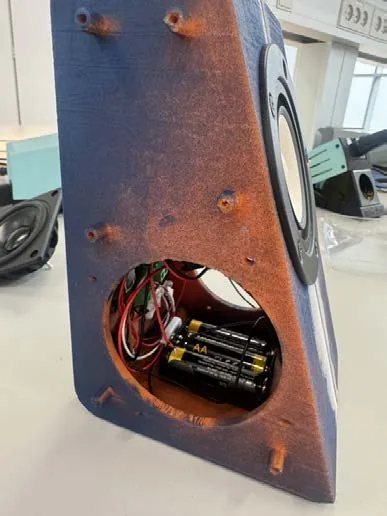
Looks and sound in one body. A two-part cabinet holds all the electronics. Grills on the sides cover the passive radiators, and the front is a stiffening frame, gold rim and fabric. Nine AA cells (13.5 V) run it without a cable.
→ Screwed together wherever possible, so we could open it between tests.
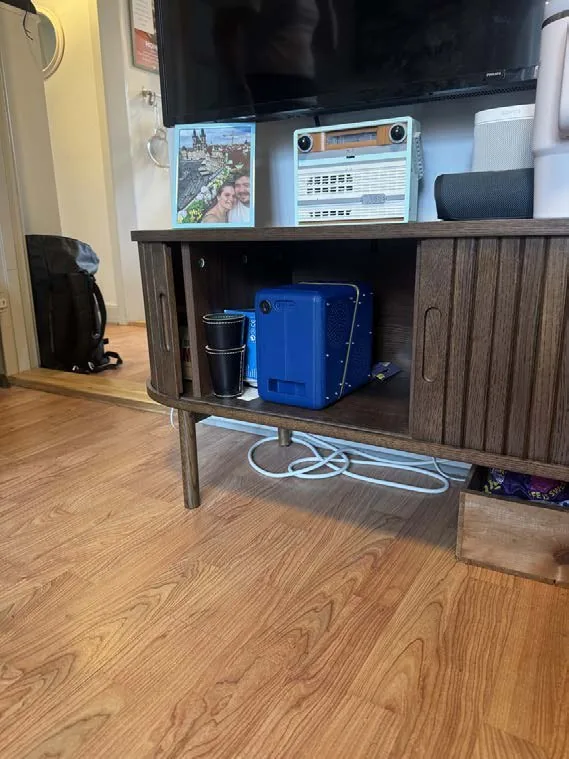
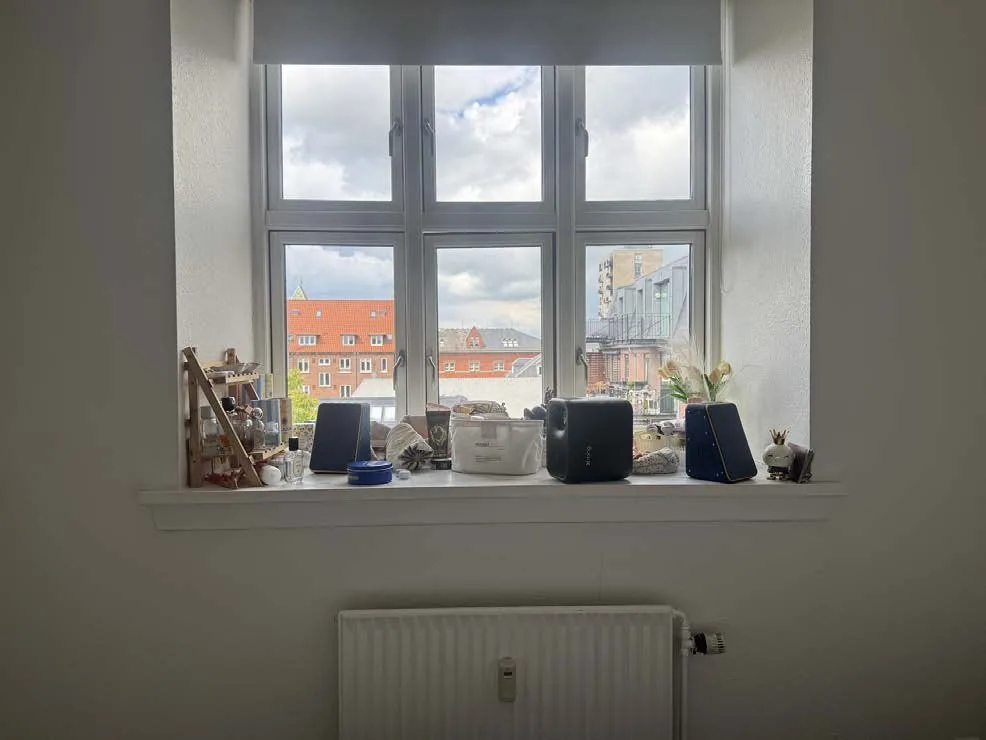
Three homes. The same film, first on the projector, then on the speakers.
“The speaker was best. It feels more like surround sound.”
“I like the fabric on the front. It’s a bit more styled.”
“It’s really simple.”
Price was a design parameter. We treated it as a calculation.
The target cost was 100 kr. Our estimate landed at 696.50 kr. Artlinco judged that production outside the EU and fewer circuit boards could bring it to around 150 kr, and they’re probably right.
But we got there by costing a finished design, not by designing to a cost. We did design for manufacturing, just late. Next time, price is a constraint from week one, and every choice gets checked against it as it’s made: driver, board, battery, buttons.
Our users and Uvision landed on the same white.
Dark blue was the one thing users kept pushing back on. Their homes were calm and light, and they said they would pay 2,500 kr for projector and speakers together if the set came in a lighter colour. So we proposed white and beige.
When we presented it, Artlinco told us Uvision had just chosen Pantone’s colour of the year 2026, Cloud Dancer, for its next products. We got to the same answer from the users’ side.